Foraging in the Frost: Winter’s Hidden Flavours
Winter is delicate and extreme in good measure, the hardness of the bitter cold and the softness of a snowflake as it falls; winter is hibernation but by no means inaction; whilst some things reserve energy, others battle on, living, growing, keeping the cycle moving.

Perhaps the bare trees and stillness of frosty mornings allow us to believe that everything has paused in time; that all of nature sleeps and will recommence growing in due course. But, in actual fact there are hidden worlds, and therefore hidden flavours to uncover in winter and foraging to be done in the frost, under those shimmering leaves.
There may be less in bloom but a winter forage is something special. Encouraging an even slower, mindful journey, requiring closer observation and more of a connection with our landscape.

The Woodland Trust offer a wonderful month by month guide on foraging through the year. Although a quieter time for foraging, there are still rewards to find.
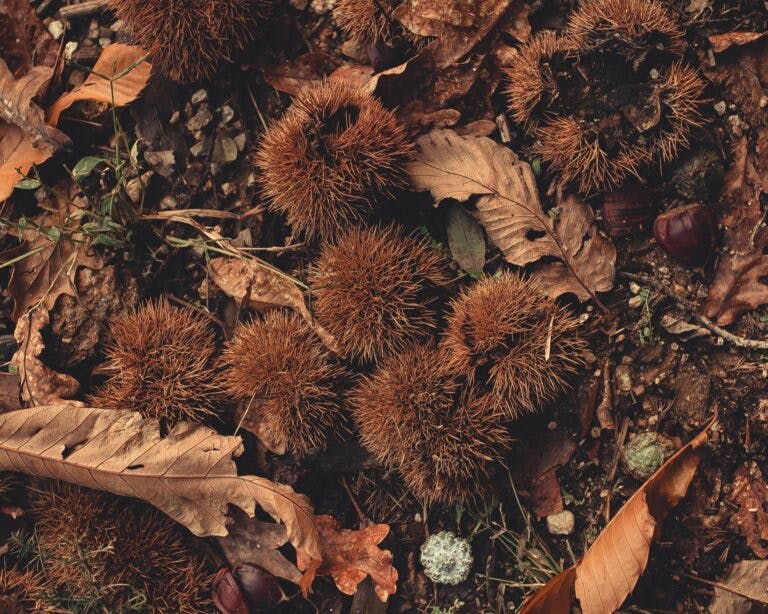
In their January blog, The Woodland Trust recommends looking out for Chestnuts;
Enjoy their classic wintery, earthy, nutty flavour. A wonderfully simply way to enjoy these wintery treats is by roasting; soak for 30 minutes, score with a small knife and then roast for around 25 minutes.
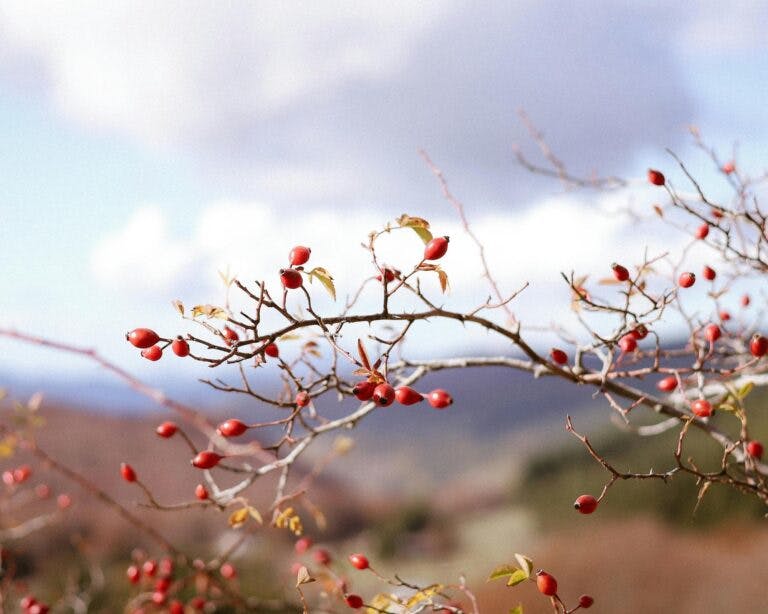
Rose hips make for delicious jams or jellies;
The fruit of rose plants, can be found wild in hedgerows or in scrub and woodland. The preparation is worth it to enjoy their unique ‘apple and citrus’ flavour, as described by Great British Chef’s Geoffrey Smeddle. Try his recipe here: Rose Hip Jam Recipe
Crab apples are another winter find, but best between October and December;
A relative to the eating apple, they are smaller and have a more bitter taste but with their high pectin levels, make for fantastic jellies and jams too.
From October and into winter you may also find Hawthorn berries;
Forage in hedgerows, scrub and woodland. The rich, smoky, fruity flavour profile makes for a delicious ‘ketchup’, perfectly paired with a winter’s roast venison or pork belly. Try this Great British Chefs recipes: Hawthorn Berry Recipes
As February steps closer, the first shoots of spring’s nettles and dandelions start to appear
Although you can forage for nettles year-round. A great source of Vitamin C, be sure to wear gloves when picking and look for the youngest, fresh growth; enjoy in teas, soups and stir fries.
Garlic Mustard, otherwise known as Jack-by-the-hedge can be harvested from late winter time into the spring;
Rich in flavour these bitter greens are not for everyone, but can be blended with other greens to lessen the bitterness. A rich garlic mustard ricotta is a delightful recipe for winter comfort, great to spread on toast or eat with pasta. Or try the BBC’s Discover Wildlife recipe for ‘Jumping Jack Wraps’ from Horticulturist David Hamilton – delicious cous cous-filled green wraps and a forager’s dream lunch. It includes a second forgeable ingredient, pine nuts, which can be harvested during the autumn.

Foraging and harvesting your own ingredients from nature’s abundant larder is a wonderful privilege and it must be seen as such.
It’s important that everyone follows the ‘sustainable foraging guidelines’ which includes:
- Take no more than you plan to consume.
- Seeking permission from landowners and only foraging for personal use
- Understand what you’re picking – be certain of its identification
- Pick from plentiful populations
- Leave plenty behind
- Do not collect rare species
- Understand the law – All wild plants are protected under the Wildlife and Countryside Act (1981).
Read the full guidelines here: Woodland Trust Foraging Guidelines

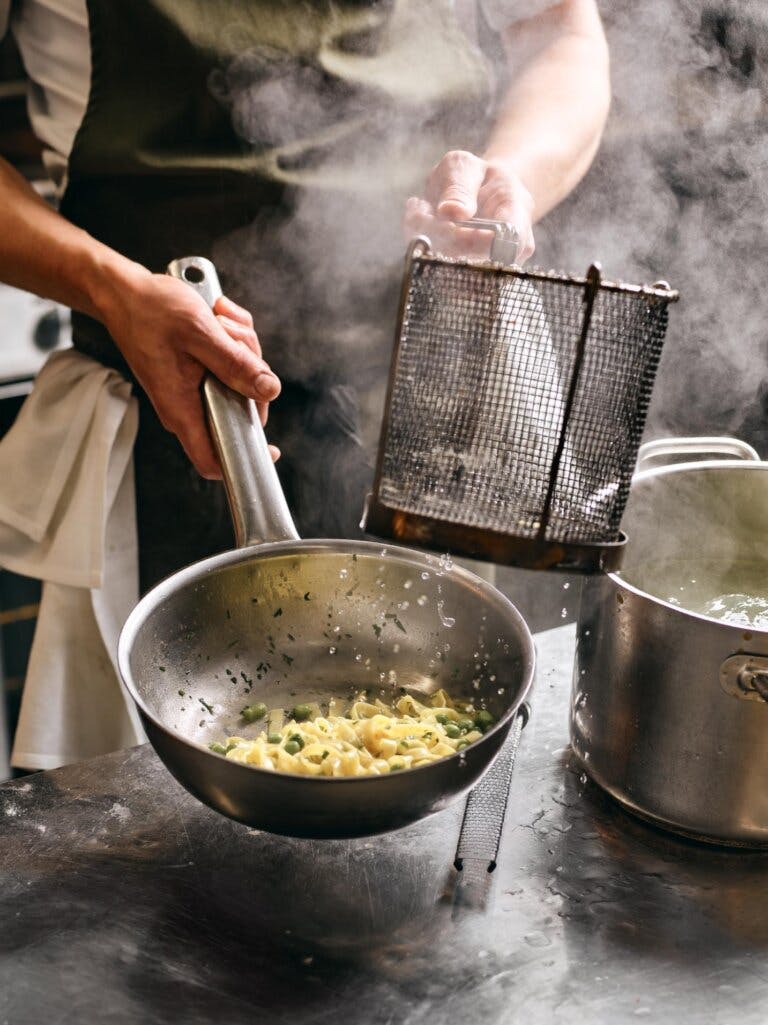
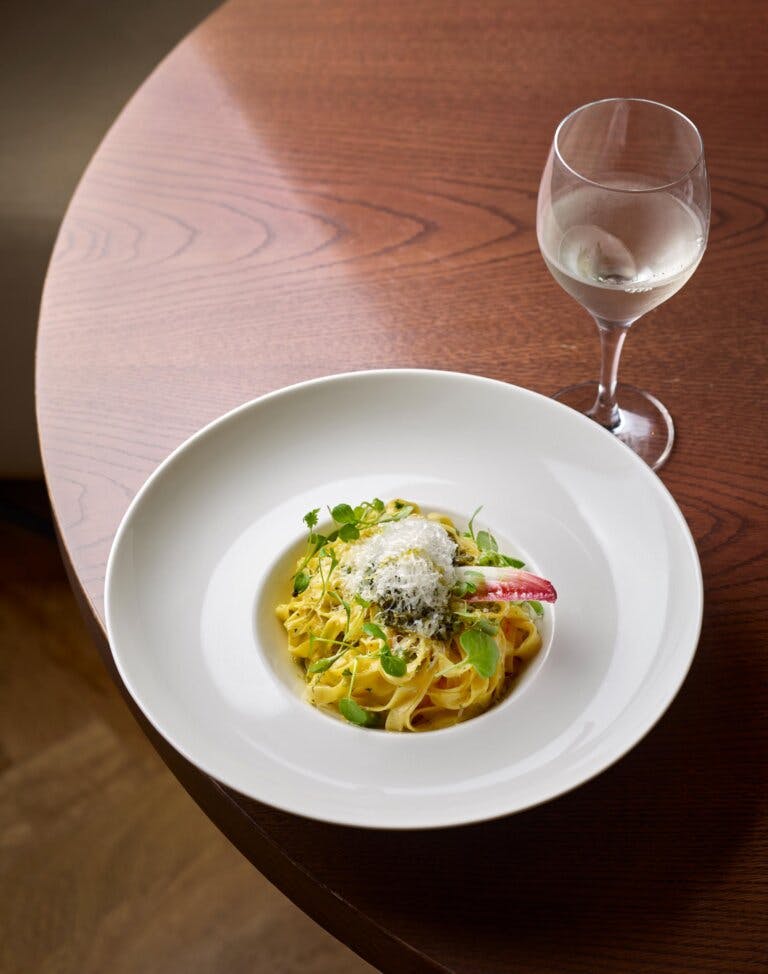
During your winter break you’ll discover beautifully seasonal British flavours in our hotel restaurant, Cambium.
It is with a great sense of place and the season as their guide, that our chefs pay homage to the coast and countryside that we call home to passionately create their menus year-round. Not only for seasonality, flavour and abundance of ingredients but for sustainability, always supporting local producers wherever possible.
On our winter menu, you’ll find warming dishes and spices. Gamey, earthy wood pigeon with a roast hazelnut crumb, crushed nutmeg swede and toasted pine nuts to name but a few of winter’s gifts.
This winter if your instinct is to forage but for rest in the midst of the cold, seek stillness and quiet with us at our New Forest hotel and find the warmth of an open fire, the nourishment of restfulness and the beautiful flavours of the season at Cambium.